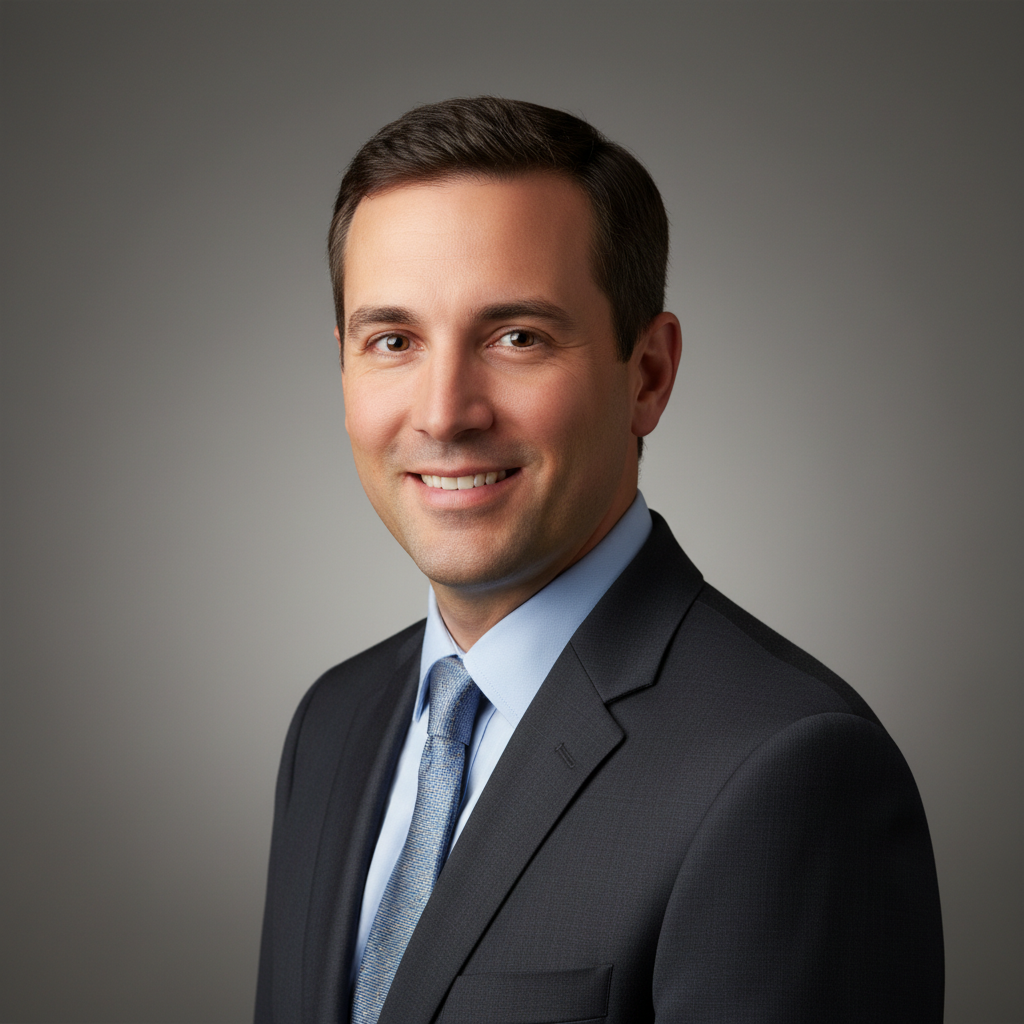
Arthur Fery: Wimbledon surprise with padel link
Arthur Fery is writing one of the most surprising stories of Wimbledon 2026. The British tennis player, invited by the organisers with a wild card and ranked 114th in the world at the start of the fortnight, has fought his way into the semi-finals. What is happening on Centre Court in London is attracting attention far beyond grass-court tennis – including in the padel world, because behind the young Briton stands a name already firmly established in football, Formula 1 and padel.
From outsider to semi-finalist
Few people would have bet on such a long run for Arthur Fery at the start of the tournament. With a wild card, the Briton entered the prestigious Grand Slam and began a run that now resembles a sporting fairy tale. His quarter-final performance on Centre Court was especially impressive: against Flavio Cobolli, the Italian Roland Garros finalist, Fery dominated the match 6-4, 7-6 (4), 6-0. The clear pattern with which he beat one of the season's most in-form players underlined his maturity under pressure.
Before the tournament, Fery was only world No. 114. That starting position makes his semi-final run all the more remarkable and positions him as one of the great discoveries of the current Wimbledon edition. Every further win would make his story even more dramatic, but he has already shown that ranking positions alone rarely tell the whole truth about a player's current form.
His game on the London grass is marked by aggressive baseline play, smart shot selection and remarkable nerve. Against Cobolli, Fery looked more consistent in the decisive phases than the favoured Italian and took his chances in the tie-break and third set convincingly. For the Centre Court crowd, the young Briton delivered exactly what Wimbledon is about: an outsider leaving expert expectations behind.
A familiar name in the padel scene
Behind Arthur Fery's sporting success lies a connection that makes the story especially relevant for the padel community. The tennis player is the son of Loïc Féry, a French businessman known as president and owner of FC Lorient, but also as one of the driving forces behind projects in the growing padel market. This family link explains why a Wimbledon semi-finalist is also making headlines on the pages of a padel magazine.
In recent years, Loïc Féry has deliberately invested in professional padel. Together with Formula 1 driver Pierre Gasly, he founded the franchise 10 Padel, which competes as the eighth team in the Hexagon Cup. These team competitions, in which franchises field international stars and strong padel players, reflect the ambition to professionalise the sport beyond traditional boundaries.
The cooperation between Féry and Gasly illustrates a pattern that is increasingly visible across modern sport: investors and personalities from other disciplines are discovering padel as an attractive platform. While Gasly brings the media reach of motorsport, Féry provides the business experience to build a team in a highly competitive environment. 10 Padel is therefore a symbol of the sport opening up to new audiences and business models.
The Hexagon Cup as a stage for new teams
The Hexagon Cup has established itself as one of the most spectacular formats in team padel. Franchises compete in a show and competition setting, accompanied by prominent faces and top-level players. With 10 Padel, Loïc Féry is part of this ecosystem and links his entrepreneurial vision with the sport's growing popularity in Europe. For fans, the Féry name stands not only for football in Lorient or a Wimbledon run, but also for an active role in the professionalisation of padel.
Arthur Fery himself is not a padel professional, but his current success shines a spotlight on a family present in several sporting worlds. While the son is making history on the grass in London, the father is building structures in padel in parallel. That parallel makes the story compelling for an audience following both Grand Slam tennis and the development of padel.
Intersections between tennis, football and padel
Arthur Fery's rise illustrates how closely the worlds of modern professional sport are now linked. Wimbledon stands for tradition and individual achievement on grass, the Hexagon Cup for team format and entertainment in padel, and FC Lorient for classic club football in France. That one family plays a role in all three contexts is rare – which is why media from different directions are watching the current Wimbledon run with special interest.
For the padel industry, the attention around Arthur Fery offers an indirect stage. Every mention of Loïc Féry and 10 Padel in the context of a Grand Slam increases the sport's visibility, even though the semi-finalist himself is holding a racket on a tennis court. This cross-connection is part of a strategy in which well-known names from different sports act as door-openers for new formats.
Whether Fery can continue his Wimbledon fairy tale in the semi-finals remains to be seen. Regardless of the outcome, he has already shown that wild cards can open real sporting opportunities. For the padel context, the story remains an example of how families, investors and athletes from different disciplines create new narratives together – from Centre Court in London to the Hexagon Cup.